Understanding Image To Image Techniques
The advent of Image To Image technology has revolutionized the way artists and creators approach digital art. This cutting-edge method allows for the transformation and manipulation of images by leveraging advanced software and algorithms. By converting one image into another, artists can explore new realms of creativity and expression, pushing the boundaries of traditional art forms.
What is Image To Image Technology?
Image To Image technology refers to a suite of techniques that utilize algorithms to convert images from one form or style to another. This includes transforming photographs into paintings, altering styles, or even generating entirely new imagery based on certain inputs. Through various methods, such as neural networks and machine learning, artists can manipulate images in ways not previously possible. Whether it's turning a simple sketch into a fully-rendered piece of artwork or enhancing a photograph with a specific artistic flair, this technology plays a crucial role in modern digital artistry.
Benefits of Image To Image in Digital Art
The benefits of employing Image To Image techniques in digital art are manifold. Primarily, it enhances creativity by providing artists with tools to experiment with different styles and approaches without starting from scratch. This method can save considerable time, allowing artists to focus on the iterative process of creation, rather than getting bogged down in the initial stages of design.
- Efficiency: Quickly transform existing artworks into new styles.
- Creativity: Explore varying artistic interpretations of standard images.
- Accessibility: More artists can access high-quality, stylized art without extensive training.
Common Myths About Image To Image Techniques
Despite its growing popularity, several myths surround Image To Image technology. Many critics argue that it diminishes the skill and craft of artists, suggesting that reliance on technology undermines traditional artistic practices. However, this perspective overlooks the fact that these tools are meant to augment an artist's capabilities rather than replace them. Moreover, others believe that Image To Image results lack originality; yet, countless creators use these techniques to develop unique and expressive pieces that communicate their distinct artistic voice.
Applications of Image To Image Across Artistic Mediums
Image To Image in Illustration and Concept Art
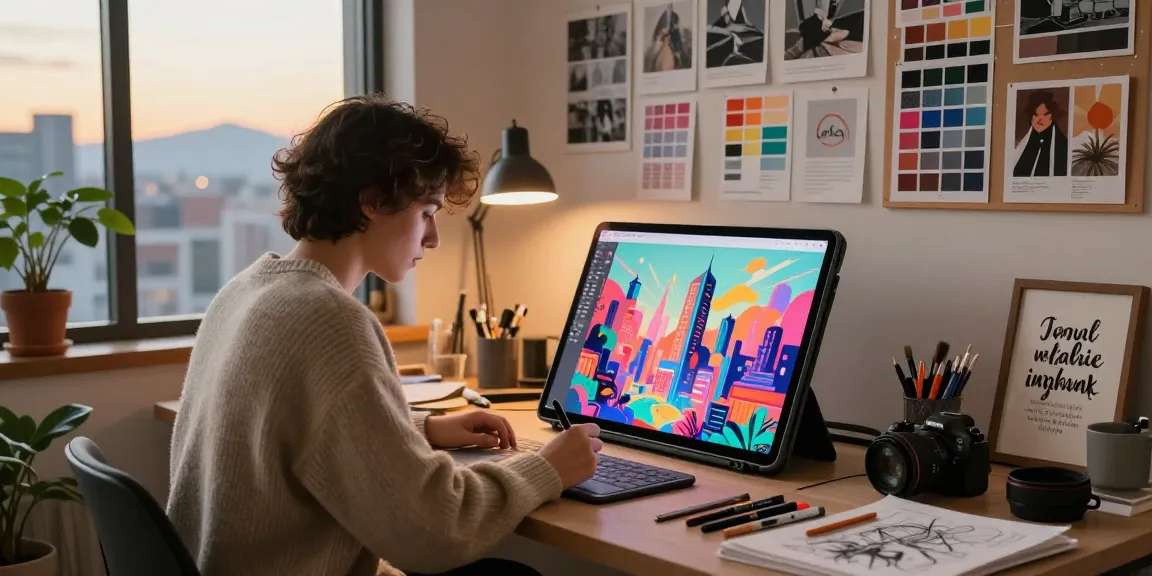
In illustration and concept art, Image To Image techniques allow designers to rapidly prototype ideas and visualize concepts quickly. Artists can generate variations of character designs, environments, and other elements that can be iterated upon smoothly. This is particularly beneficial in the game and film industries, where rapid ideation and visual storytelling are crucial.
Using Image To Image for Animation and Motion Graphics
Image To Image technology has significant implications for animation and motion graphics. By converting still images into dynamic animations, artists can breathe life into their creations with minimal effort. This method enables the generation of animated sequences that can respond to user interactions or environmental changes, creating immersive experiences.
Image To Image in Photography Enhancement
Photographers can also leverage Image To Image techniques to enhance their work. By applying artistic styles to photos or creating composites that blend multiple images, photographers can produce captivating visuals that stand out. Techniques such as style transfer can turn a standard photographic image into something resembling a classic painting or a modern digital piece.
Best Practices for Implementing Image To Image
Choosing the Right Tools and Software
Selecting the appropriate tools is essential for successful Image To Image implementation. Numerous software options are available, ranging from Adobe Photoshop to specialized AI-driven applications. It's crucial to choose a tool that aligns with the artist's specific needs and artistic style. Additionally, utilizing platforms like Image To Image provides comprehensive insights and assistance for those venturing into this innovative field.
Effective Workflow Strategies for Artists
Artists should develop a structured workflow when using Image To Image techniques. Starting with a clear concept and utilizing thumbnail sketches can help streamline the process. Additionally, maintaining a library of styles and images can serve as inspiration for future projects, making it easier to access resources that can elevate an artwork's overall quality.
Common Mistakes to Avoid with Image To Image
While experimenting with Image To Image techniques, artists may encounter various pitfalls. A common mistake is over-relying on automated processes, which can dilute personal style and expression. It’s essential to strike a balance between technology and individuality. Furthermore, neglecting to refine the output can lead to generic results, making it vital for artists to embrace their uniqueness in finalizing their work.
Future of Image To Image Technology in 2026
Emerging Trends in Image To Image Applications
As technology progresses, several trends are anticipated in the Image To Image landscape by 2026. Enhanced real-time processing capabilities will allow artists to see instant results as they modify images, fostering a more interactive creative process. Furthermore, collaborations between technology and traditional art forms may become more prevalent, with artists blending techniques in unprecedented ways.
Impact of AI and Machine Learning on Image To Image
The integration of AI and machine learning in Image To Image techniques is poised to transform the industry. As algorithms advance, they will offer more sophisticated and nuanced outcomes, allowing for intricate details and textures to emerge. This shift will not only enhance the final product but also provide artists with new opportunities for expression.
Anticipating Changes in Artistic Expression with Image To Image
The future of artistic expression is likely to evolve dramatically due to Image To Image technology. Artists may find new ways to communicate emotions and narratives that transcend traditional mediums. As these technologies become more embedded in everyday art-making, we can expect a new wave of creativity that challenges conventional boundaries and redefines how art is perceived and created.
Real-World Success Stories
Case Study: Transforming Digital Art with Image To Image
A notable example of Image To Image success is the work of a digital artist who transformed a series of photographs into a series of abstract art pieces using AI techniques. By applying different styles and filtering techniques, the artist not only created a captivating series of artworks but also leveraged the technology to engage with a broader audience, showcasing the versatility and appeal of modern digital art.
Interviews with Leading Artists Using Image To Image
Interviews with leading artists reveal a common theme: Image To Image techniques serve as a powerful tool in their creative arsenal. Many artists emphasize the importance of balancing technological advancement with personal artistic vision, noting that while the tools are helpful, the creator's intent is what ultimately shapes the artwork’s essence.
Performance Metrics: Measuring Success with Image To Image
To gauge the effectiveness of Image To Image techniques, artists often depend on various performance metrics. These include engagement rates on social media platforms, the number of reproductions of digital art, and audience feedback. By analyzing these metrics, artists can refine their approach and develop styles that resonate with viewers, enhancing their overall effectiveness as creators in the digital art space.
What is Image To Image and how does it work?
Image To Image is a transformative process that uses advanced algorithms to convert images from one state to another. By harnessing machine learning and neural networks, artists can generate innovative and stylistically unique outputs, making this a valuable technique in modern digital creation.
How can Image To Image enhance my artwork?
Using Image To Image techniques, artists can experiment with new styles, enhancing their unique artistic vision. These methods allow for rapid generation of variations, increasing both creativity and productivity in the art-making process.
What tools are best for using Image To Image?
Some of the best tools for Image To Image include Adobe Photoshop, DeepArt, and various open-source software that support AI-based transformations. The choice of tools will depend on the desired output and the artist's workflow preferences.
Can Image To Image be used for traditional art forms?
Yes, Image To Image techniques can be applied to traditional art forms. By digitizing hand-drawn sketches or paintings, artists can use these technologies to explore new styles and enhancements, merging analog and digital methodologies effectively.
What are the ethical considerations regarding Image To Image?
With the rise of Image To Image technology, ethical considerations around copyright and originality have become more pronounced. Artists must ensure they respect the original works and the rights of other creators, promoting a culture of integrity and sustainability within the digital art community.